
Discuss EtherCAT/CAN FD requirements, sample availability, and lead-time assumptions.

GaN Servo Drives LogoGaN Servo Drives
Request RFQ
GaN Servo Drives LogoGaN Servo Drives

High-performance GaN servo drives and motion electronics manufactured in Shenzhen & Dongguan.

Inquiry Email

[email protected]

Email app

Include voltage, current, motor, encoder, protocol, board envelope, and quantity stage.

Instant Chat

+86 18857971991

Chat on WhatsApp

Direct response from our engineering team.

Products
  • GaN Low-Voltage Servo Drives
  • 48V Servo Driver Board
  • Driver-Encoder Integrated Servo Board
  • Robot Joint Servo Drive
  • EtherCAT 48V Servo Drive
  • CAN FD Servo Drive
Solutions
  • Humanoid Robot Joints
  • Collaborative Robot (Cobot) Joints
  • AMR and Mobile Robot Servo Drives
  • Exoskeleton and Prosthetics Servo Drives
  • GaN Servo Drive Selection Guide
  • EtherCAT & CAN FD Integration
OEM Capabilities
  • OEM Robot Joint BOM & Customization
  • Rigorous Compliance & Quality Control
  • Deep OEM Custom Solutions
  • Engineering File Request Center & CAD Resources
Resources
  • Blog
  • Factory
  • Contact / RFQ
  • Privacy Policy
  • Cookie Policy
  • Terms of Service
© 2026 GaN Servo Drives. All Rights Reserved.|Backed by Linkup Ai Co., Ltd. Manufacturing delivered by the Advanced Manufacturing Division of Linkup Precision.|Legal entity: Linkup Ai Co., Ltd.
← Back to Applications

Exoskeleton and Prosthetics Servo Drives

Ultra-low weight, high-efficiency GaN drives maximizing battery life for wearable robotics.

Target Buyer:Wearable tech and biomedical engineers.
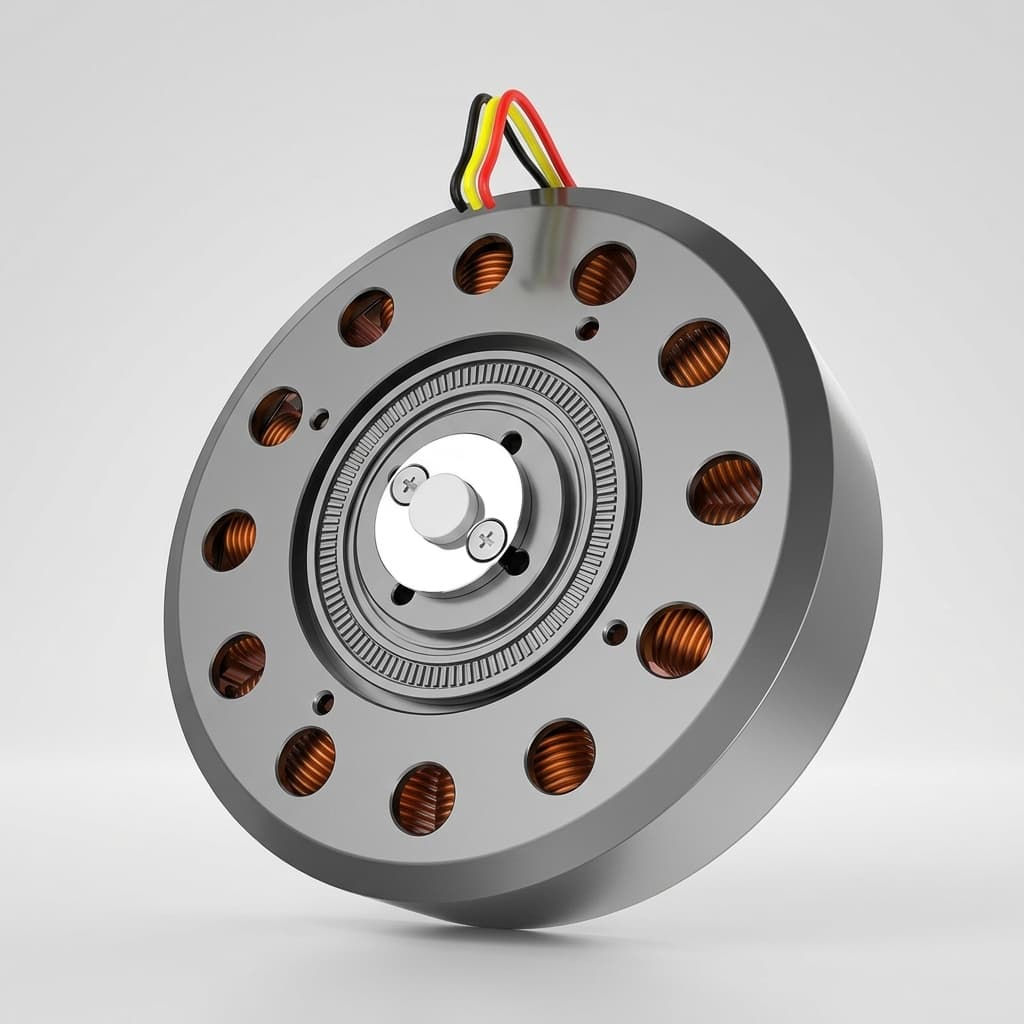
Compact exoskeleton joint motor module with integrated servo drive for wearable robotics and prosthetic applications

Overview

Exoskeleton and prosthetic servo drives face a unique combination of constraints that no other robotics application shares: the actuator operates directly against the human body, making surface temperature, acoustic noise, weight, and battery runtime the primary design constraints rather than raw torque or speed. GaN switching technology offers a meaningful advantage in wearable robotics because the reduced switching losses translate directly into less waste heat near human skin and longer battery operating time per charge cycle — both of which are critical acceptance criteria for medical exoskeletons, active prosthetic limbs, and industrial assistive suits. The drive's surface temperature must remain below skin-safe thresholds (typically 40-43°C depending on contact duration and regulatory framework) even during sustained assist cycles, which requires careful thermal path design between the power stage, PCB substrate, enclosure material, and any thermal interface padding. Board thickness is often the deciding feasibility constraint: wearable actuator housings may have only 8 to 12mm of axial stack available for the entire drive and encoder assembly, making bare-board delivery essential. Standby power consumption and sleep-mode behavior also matter more in wearable applications than in any other servo drive use case, because the device may be powered on for 8 to 12 hours but actively assisting for only a fraction of that time. Acoustic switching frequency should be above human hearing range to avoid user discomfort during quiet indoor use.

Application Highlights

  • GaN efficiency (longer battery life)
  • Extremely thin profile
  • Low heat dissipation

Common Use Cases

  • Medical Exoskeletons
  • Active Prosthetics
  • Industrial Assistive Suits

Implementation Focus

  • Thermal management near human skin
  • Standby power draw

Specification Snapshot

Use these buyer-side parameters to decide whether this page matches your architecture before starting a formal quotation thread.

ParameterTypical DirectionBuyer Note
Target platformWearable exoskeletons, prosthetics, assistive jointsBattery life, skin-adjacent temperature, weight, and silent operation are primary constraints.
Thermal boundaryLow heat rise near human contact surfacesShare contact area, enclosure material, ambient range, and allowed surface temperature.
Mechanical envelopeThin PCBA or integrated actuator packageAxial thickness and cable exit direction often decide feasibility before electrical specs.

Selection Logic Before RFQ

Use this flow to decide whether the page is a practical match before comparing unit price or sample lead time.

CheckpointDecision InputBuyer Action
1. Confirm buyer fitWearable tech and biomedical engineers.Use this page when the project involves Medical Exoskeletons, Active Prosthetics, Industrial Assistive Suits.
2. Define operating windowTarget platform: Wearable exoskeletons, prosthetics, assistive jointsBattery life, skin-adjacent temperature, weight, and silent operation are primary constraints.
3. Lock integration constraintsThermal boundary: Low heat rise near human contact surfacesConvert Thermal management near human skin, Standby power draw into measurable RFQ values before asking for final pricing.
4. Gate sample approvalSurface-temperature and battery-runtime estimates and Mechanical envelope and cable-exit reviewRequest this evidence with the sample or pilot quote so acceptance criteria are clear before PO.

Buyer Decision Notes

  • Prioritize efficiency and surface temperature over maximum peak current.
  • Ask for standby power, sleep behavior, and acoustic switching notes for wearable use.
  • Clarify medical, research, or industrial classification before requesting compliance support.

Factory & Delivery Capability

  • Thin board-level drive packaging and lightweight harness planning.
  • Thermal interface and enclosure coordination for wearable robot modules.
  • Prototype support for low-volume medical research and industrial assistive devices.

Application Evaluation Matrix

Evaluation MetricTypical RangeWhy It Matters
EfficiencyValidated per drive and duty cycleLower losses can reduce battery and thermal burden, but wearable surface temperature still needs measurement.

RFQ Preparation Checklist

  1. Volume constraints
  2. Battery chemistry
  3. Peak assist torque

Risk and Mitigation

  • Skin burns: Define allowable surface temperature and request test data for the enclosure, duty cycle, and ambient range.

Validation Evidence to Request

EvidenceWhy It Matters
Surface-temperature and battery-runtime estimatesLinks drive efficiency to user comfort and wearable operating time.
Mechanical envelope and cable-exit reviewReduces late-stage rework in compact wearable actuator housings.

Production, QC, and Delivery Flow

Treat the flow below as a minimum evidence path from inquiry to pilot release. It keeps engineering, quality, and purchasing aligned before a repeat order.

StageWhat to CheckEvidence / Output
1. Axis duty mapVolume constraints, Battery chemistry, Peak assist torqueApplication-level current, torque, voltage, thermal, and communication assumptions.
2. Architecture fitThermal management near human skin, Standby power drawDecision on board-level drive, driver-encoder stack, or complete joint sourcing path.
3. Scenario validationSurface-temperature and battery-runtime estimatesLinks drive efficiency to user comfort and wearable operating time.
4. Pilot feedback loopFirmware baseline, connector notes, and field-test findingsRevision-controlled changes before repeat build or fleet deployment.

RFQ Starter

For wearable robotics sourcing, send weight target, battery voltage, peak assist torque, allowed surface temperature, drive envelope, encoder, and prototype schedule.

Open Contact / RFQ Checklist

Buyer FAQ

How thin can the drive be?

We offer bare-board solutions under 10mm thick for tight wearable spaces.

What data should we send for Exoskeleton and Prosthetics Servo Drives?

For wearable robotics sourcing, send weight target, battery voltage, peak assist torque, allowed surface temperature, drive envelope, encoder, and prototype schedule.

How should Exoskeleton and Prosthetics Servo Drives be validated before pilot build?

Request Surface-temperature and battery-runtime estimates. Links drive efficiency to user comfort and wearable operating time.

When is Exoskeleton and Prosthetics Servo Drives the right page to review?

Start with the real axis duty cycle, then size voltage, current, torque, thermal path, feedback, and network architecture around that duty. A good first screen is target platform: Wearable exoskeletons, prosthetics, assistive joints.

Recommended Next Pages

  • GaN low-voltage servo drives
  • Driver-encoder integrated servo board
  • Contact / RFQ

Inquiry Email

[email protected]

Email app

Include voltage, current, motor, encoder, protocol, board envelope, and quantity stage.

Instant Chat

+86 18857971991

Chat on WhatsApp

Direct response from our engineering team.