
Discuss EtherCAT/CAN FD requirements, sample availability, and lead-time assumptions.

GaN Servo Drives LogoGaN Servo Drives
Request RFQ
GaN Servo Drives LogoGaN Servo Drives

High-performance GaN servo drives and motion electronics manufactured in Shenzhen & Dongguan.

Inquiry Email

[email protected]

Email app

Include voltage, current, motor, encoder, protocol, board envelope, and quantity stage.

Instant Chat

+86 18857971991

Chat on WhatsApp

Direct response from our engineering team.

Products
  • GaN Low-Voltage Servo Drives
  • 48V Servo Driver Board
  • Driver-Encoder Integrated Servo Board
  • Robot Joint Servo Drive
  • EtherCAT 48V Servo Drive
  • CAN FD Servo Drive
Solutions
  • Humanoid Robot Joints
  • Collaborative Robot (Cobot) Joints
  • AMR and Mobile Robot Servo Drives
  • Exoskeleton and Prosthetics Servo Drives
  • GaN Servo Drive Selection Guide
  • EtherCAT & CAN FD Integration
OEM Capabilities
  • OEM Robot Joint BOM & Customization
  • Rigorous Compliance & Quality Control
  • Deep OEM Custom Solutions
  • Engineering File Request Center & CAD Resources
Resources
  • Blog
  • Factory
  • Contact / RFQ
  • Privacy Policy
  • Cookie Policy
  • Terms of Service
© 2026 GaN Servo Drives. All Rights Reserved.|Backed by Linkup Ai Co., Ltd. Manufacturing delivered by the Advanced Manufacturing Division of Linkup Precision.|Legal entity: Linkup Ai Co., Ltd.
← Back to Engineering

GaN Servo Drive Selection Guide

A comprehensive engineering guide on selecting the right GaN servo drive architecture based on bus voltage, thermal limits, and motor specifications.

Best Fit For:Systems Engineers
Engineering Selection Guide

Overview

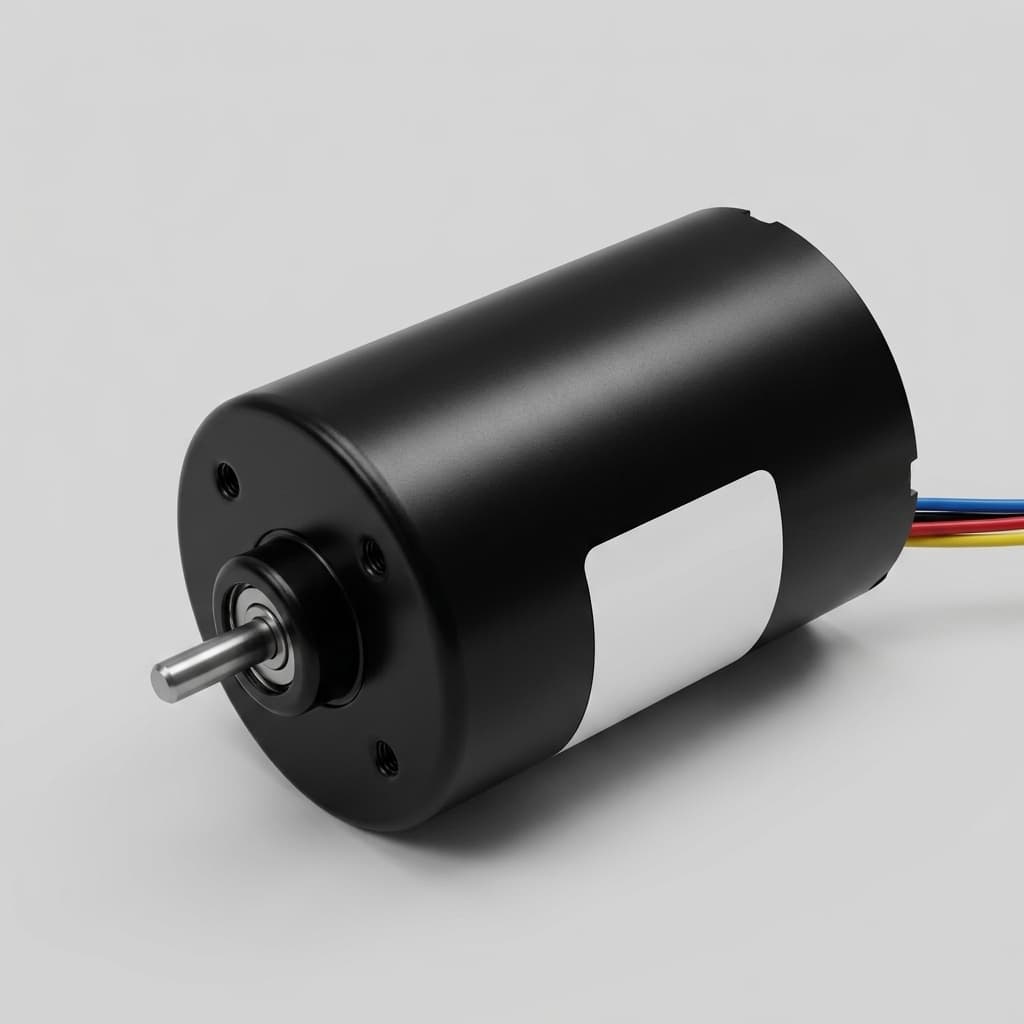
Selecting the right GaN servo drive for a robotics project requires a systematic engineering evaluation that goes far beyond comparing datasheet wattage ratings. The selection process should start with the motor's actual winding parameters — phase resistance, inductance, KV constant, pole pair count, and thermal limit — because these values determine the current loop bandwidth, switching frequency requirements, and thermal dissipation profile that the drive must support. Many robotics teams make the mistake of selecting a servo drive based on peak power alone, only to discover during integration that the drive's current loop cannot track the motor's electrical time constant, the switching frequency creates excessive acoustic noise, or the thermal derating curve makes the drive unsuitable for their sealed joint housing. This guide walks buyer-side systems engineers through a structured selection workflow: first define the DC bus voltage and current operating window, then match the motor feedback type and protocol requirements, then evaluate the mechanical envelope and cooling boundary, and finally set sample acceptance criteria that can be objectively measured before pilot production. The output of this selection process is not a part number — it is a clear engineering brief that our applications team can use to recommend the closest standard platform, identify whether semi-custom modifications are needed, or propose a complete custom drive development path with realistic timeline and cost expectations.

Guide Highlights

  • Thermal boundary calculation
  • Voltage and current margin planning
  • Encoder matching

Where This Guide Applies

  • All Robotics

Engineering Focus

  • System-level architecture planning
  • Avoiding over-spec/under-spec

Specification Snapshot

Use these buyer-side parameters to decide whether this page matches your architecture before starting a formal quotation thread.

ParameterTypical DirectionBuyer Note
Selection inputsVoltage, current, duty cycle, motor data, encoder, protocolA meaningful selection cannot be made from wattage alone.
Thermal modelAmbient, housing conduction, sealed volume, peak-current durationThermal boundary conditions often decide whether GaN value is realized in the product.
Output decisionStandard board, semi-custom board, integrated joint, or OEM BOMThe guide helps route your RFQ to the right commercial and engineering path.

Selection Logic Before RFQ

Use this flow to decide whether the page is a practical match before comparing unit price or sample lead time.

CheckpointDecision InputBuyer Action
1. Confirm buyer fitSystems EngineersUse this page when the project involves All Robotics.
2. Define operating windowSelection inputs: Voltage, current, duty cycle, motor data, encoder, protocolA meaningful selection cannot be made from wattage alone.
3. Lock integration constraintsThermal model: Ambient, housing conduction, sealed volume, peak-current durationConvert System-level architecture planning, Avoiding over-spec/under-spec into measurable RFQ values before asking for final pricing.
4. Gate sample approvalDrive selection worksheet and Sample acceptance checklistRequest this evidence with the sample or pilot quote so acceptance criteria are clear before PO.

Buyer Decision Notes

  • Use motor winding data and thermal limits before comparing drive families.
  • Check protocol and commissioning file availability before buying hardware.
  • Define sample acceptance thresholds before requesting final commercial pricing.

Factory & Delivery Capability

  • Application engineering review for motor, encoder, protocol, and mechanical envelope fit.
  • Routing from standard low-voltage drives to semi-custom PCB or integrated-joint programs.
  • Supplier-side validation planning for prototype and pilot builds.

Engineering Evaluation Matrix

Engineering MetricTypical RangeWhy It Matters
Selection AccuracyN/ASaves months of redesign time.

RFQ Preparation Checklist

  1. Review full system requirements before part selection

Risk and Mitigation

  • Selecting incompatible parts: Consult our engineering team directly.

Validation Evidence to Request

EvidenceWhy It Matters
Drive selection worksheetTurns incomplete buyer requirements into a concrete architecture recommendation.
Sample acceptance checklistAligns engineering and procurement before the first sample shipment.

Production, QC, and Delivery Flow

Treat the flow below as a minimum evidence path from inquiry to pilot release. It keeps engineering, quality, and purchasing aligned before a repeat order.

StageWhat to CheckEvidence / Output
1. Data intakeReview full system requirements before part selectionA complete engineering brief that can support a fit/no-fit recommendation.
2. Selection reviewSystem-level architecture planning, Avoiding over-spec/under-specRecommended voltage, current, feedback, protocol, and validation path.
3. File alignmentApplication engineering review for motor, encoder, protocol, and mechanical envelope fit., Routing from standard low-voltage drives to semi-custom PCB or integrated-joint programs.Revision IDs for CAD, pinouts, ESI/object files, and firmware assumptions.
4. Acceptance handoffDrive selection worksheetTurns incomplete buyer requirements into a concrete architecture recommendation.

RFQ Starter

For drive selection help, send motor data, voltage, continuous and peak current, control mode, encoder, protocol, thermal boundary, mechanical envelope, and schedule.

Open Contact / RFQ Checklist

Buyer FAQ

Do you offer consulting?

Yes, our application engineers assist with system design.

What data should we send for GaN Servo Drive Selection Guide?

For drive selection help, send motor data, voltage, continuous and peak current, control mode, encoder, protocol, thermal boundary, mechanical envelope, and schedule.

How should GaN Servo Drive Selection Guide be validated before pilot build?

Request Drive selection worksheet. Turns incomplete buyer requirements into a concrete architecture recommendation.

When is GaN Servo Drive Selection Guide the right page to review?

Use the guide before sample purchase so motor data, protocol files, thermal assumptions, and acceptance tests are aligned. A good first screen is selection inputs: Voltage, current, duty cycle, motor data, encoder, protocol.

Recommended Next Pages

  • GaN low-voltage servo drives
  • EtherCAT and CAN FD integration
  • Contact / RFQ

Inquiry Email

[email protected]

Email app

Include voltage, current, motor, encoder, protocol, board envelope, and quantity stage.

Instant Chat

+86 18857971991

Chat on WhatsApp

Direct response from our engineering team.